Featured

Think Your Adventure Gut Can’t be Challenged in Greece?

“Each man believes only his experience”

Empedocles
More than meets the eye

I honestly don’t know too much about Greece. You have the islands of Mykonos, Paros, Naxos, and so on. I know about the recent economic crisis, some of the history, Greek Feta … really, that’s about it. But on my most recent trip to Greece I learned that there’s more to it than meets the eye.

I had gone there once before, during the summer, and to islands of course. But apart from checking all the boxes on the touristic to-do list, I didn’t get to experience the Greek culture in depth or in any truly meaningful way – at least, the first time around.
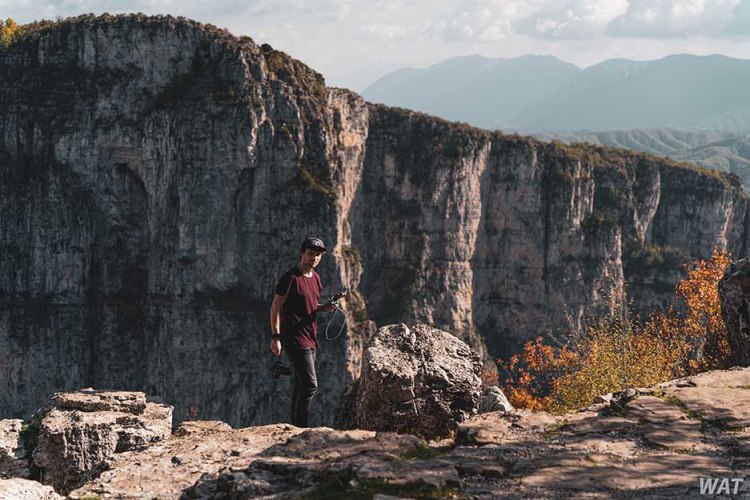
A mountainous mainland

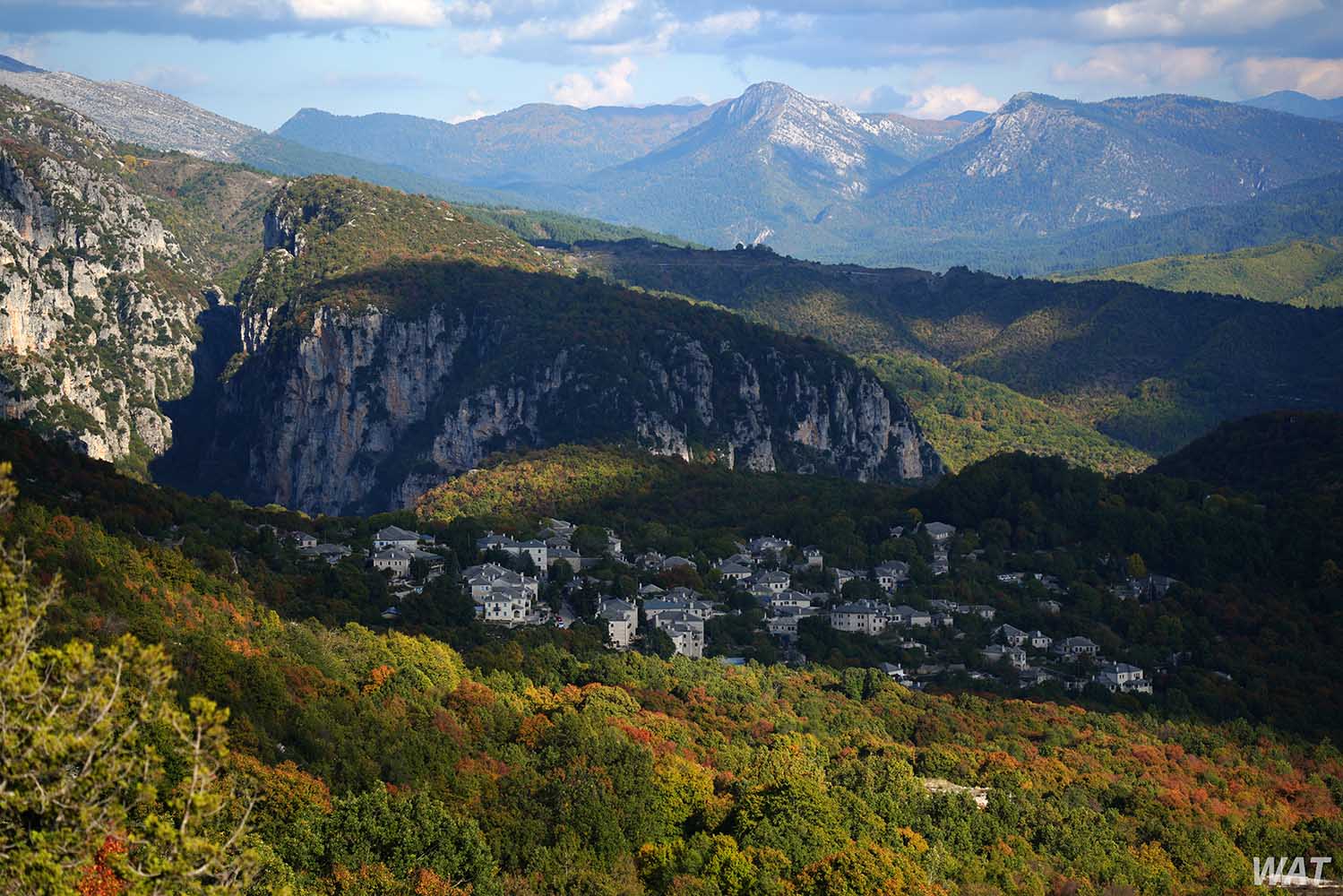
Turns out that I got the opportunity to go back to Greece. But this time, to a much more rugged, impressive, and colder place than what’s typically expected from the usual Greek summer holiday of beaches, sea, and grilled octopus. We ended up going to a village called Papingko. (There’s also Mikro Papingko – for you minimalists out there – which is two kilometers further up the mountain beyond main Papingko.)

Where is this you ask? It’s about a seven-hour drive from Athens, all the way north towards the Albanian border in a region called, Zagoria. At least, that’s how long it takes when you happen to find yourself in a 20+ year old car, but that just means extra vehicular authenticity and fun on the road.
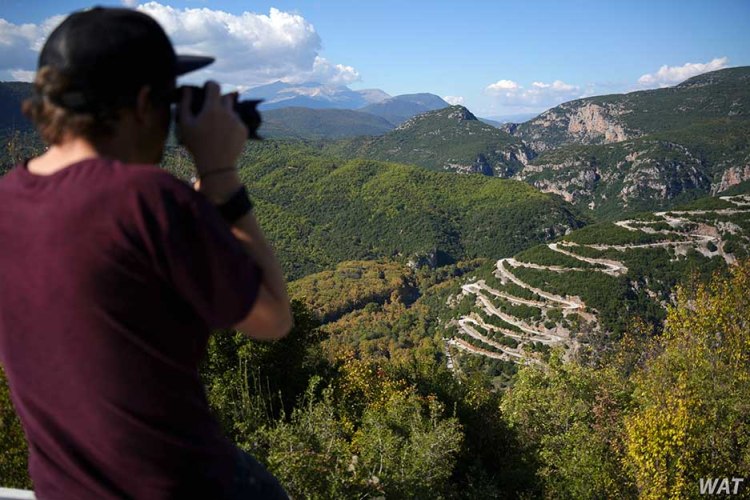
Base camp Papingko

Once you arrive in the town of Papingko, your new adventure base, settle down in one of the available accommodations, and consider your options from there:

  1. The trekker: 5-7 day backpacking trip around the national park
  2. The village hopper: travel from village to village by foot (3-4 days)
  3. The lazy village hopper: option 2 with your 20+ year old car (2-3 days)

Why am I listing the car option last (and calling you lazy at the same time)? Because more than ever, it’s the journey that’s the most important part of the trip. Of course, the destination is nice too, don’t get me wrong. You will find plenty of beautiful traditional rock houses to stay in and a town full of amazingly warm and welcoming villagers, with food that rivals some of the best French cuisine out there.
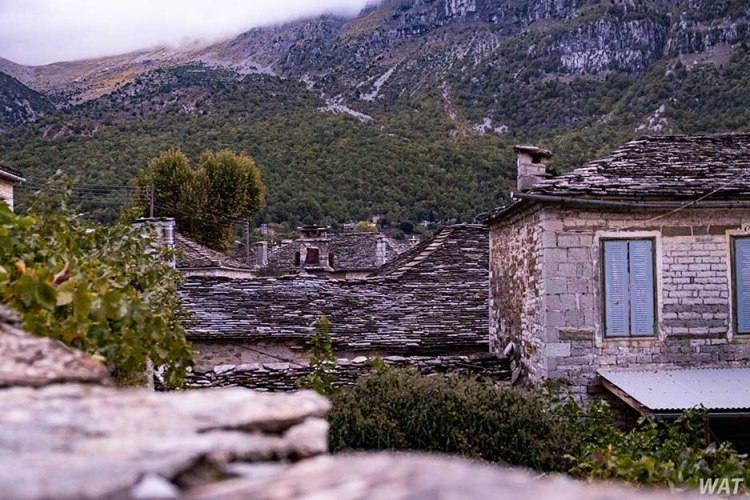
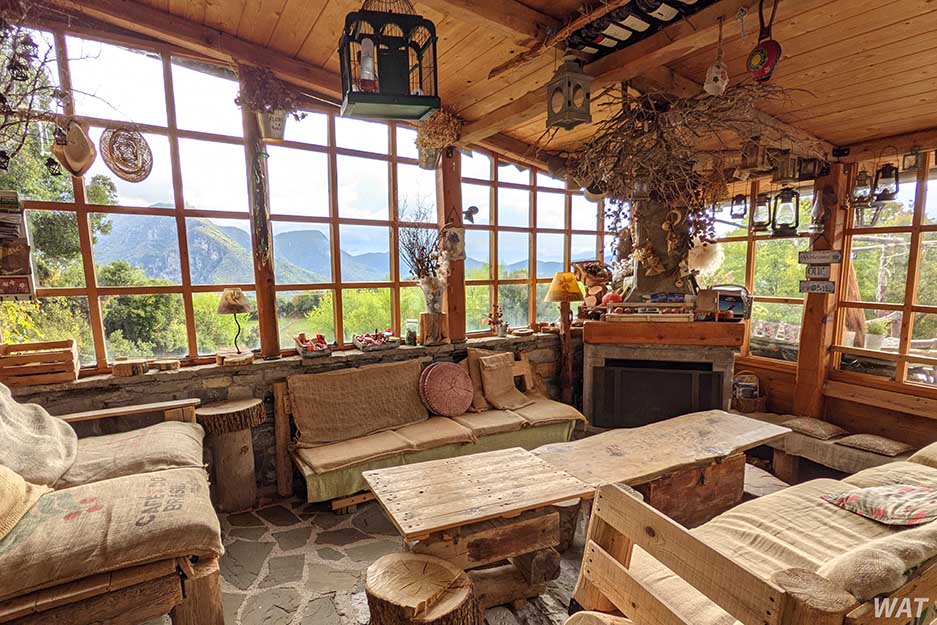
Vikos Gorge National Park

Welcome to Vikos Gorge National Park, considered to be the Grand Canyon of Greece. Here, the nature and landscapes are breathtaking. Just imagine, massive cliffs and rock formations that drop almost 1000 meters straight down to form one of the deepest canyons in the world, and a lush mini-paradise created by the crystal clear Voidomatis river that runs along the bottom. All of this while you follow the wild goat paths, spot some Balkan chamois (Rupicapra), and eat mouthwateringly delicious wild boar in the evening, paired with a local red wine.

Obviously, such scenery allows for multiple activities to take place, and you won’t get bored whatever the season. I consider the area to be first and foremost a hiking place, but depending on the time of the year you are there, you can also put your whitewater rafting, kayaking, ski touring, or canyoning skills to the test – among other things! Check out what’s available by contacting one of the adventure agencies in the area, you won’t be disappointed! There is also a refuge on the plateau, Astraka refuge (not to be confused with the route that leads to Astraka peak!). The refuge offers accommodation, hot food, and drinks, which is great so that you don’t have to go back down the mountain 1000 meters to sleep, only to have to go back up the next day.
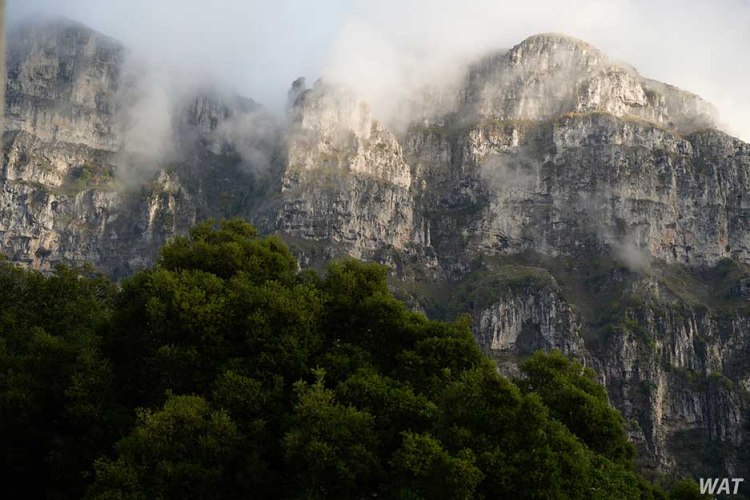
Vikos Gorge National Park

Generally, the local climate during the fall is cool and fresh with intermittent heart-warming sun rays. The winter can bring significant amounts of snowfall (although according to a local, 2021 has been a drier than usual). During my visit here, the weather varied quite a lot from one day to the next, but don’t worry if a few fluffy white clouds invite themselves to the party, they’re just going to add some serious drama to the cliff scenes – a photographic bonus.

The summer months can bring intense heat and aridity, but the fall, winter, and spring brings a different story with the melting snow, rainfall, mountain lakes, streams, and fast flowing rivers – it gets very green and is dense with vegetation, and can feel almost tropical. Fill up your water bottles at the local fountains found throughout the mountains and in the villages. Just avoid taking water from the areas close to the free-roaming cows on the high plateaus.
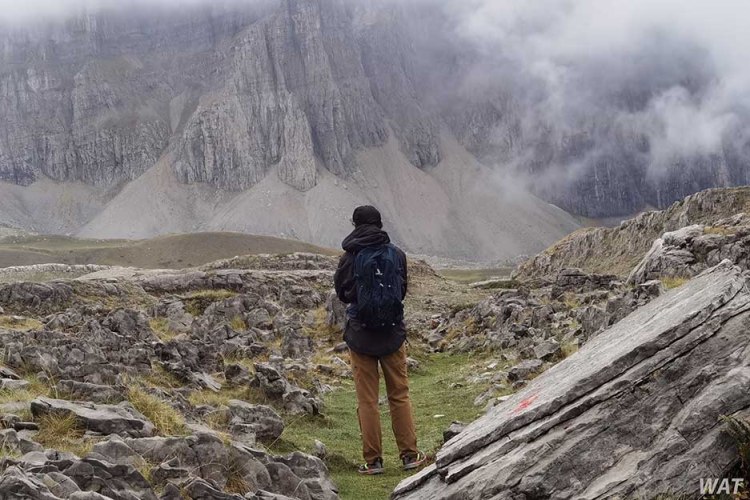
In my honest opinion

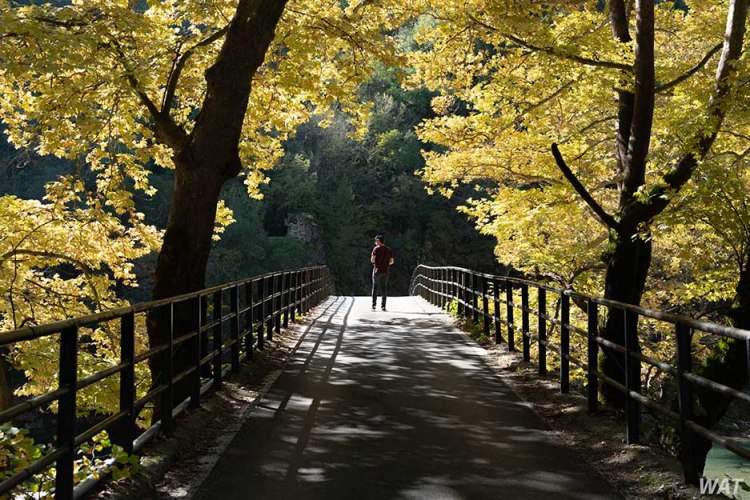
All in all, I felt like this area matches most of the traits that I am looking for in the world post-covid: stunning yet quiet outside summer season and inexpensive when compared to most other places in Western Europe. And perhaps, most importantly, the Zagori region retains it’s genuine and true-to-self character.

The people there are not bragging about being the locals in order to make you feel like a tourist. They are easy going, friendly, and talkative. You’re going to have to talk to them anyway since the closest Radisson Hotel is hundreds of kilometers away… and you’ll get to experience the famous Greek hospitality firsthand.

As Empedocles said, “Each man believes only his experience”, so I did my best to describe Vikos. Now get out there and you’ll tell me about it.

Adrien
Featured

Why a blue moon in Hydra is a unique experience

I had just landed Athens, Greece from an extended stay in Canada less than 24-hours earlier and was completely exhausted. I wanted to sleep, but my family had made other plans. They organized a reunion-style trip on Hydra Island after a long pandemic year and a half apart and I didn’t have the heart to say no to it. Besides, my timing in Hydra would coincide with a rare seasonal blue moon of August 2021.

A seasonal blue moon is the third single full moon in a month that occurs between the solstice and equinox, or the other way around (versus a ‘regular’ blue moon that’s a second full moon within the same calendar month). Just like the phrase “once in a blue moon” denotes something of rarity, a seasonal blue moon only happens once every two to three years (the next will occur in August 2023). Growing up, I remember my grandmother often listening to Elvis Presley’s version of the song, and the lyrics always stuck with me.

Don’t be in the dark about where the moon will rise
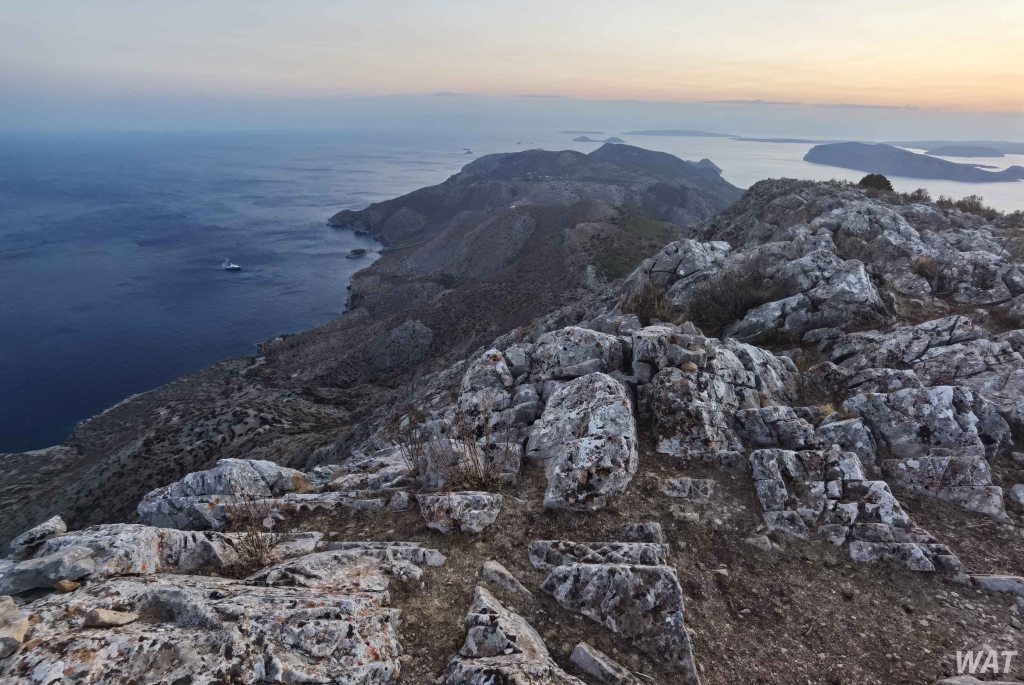
Standing on the ridge of Hydra island looking westward

It’s about a three-hour drive by car from Athens to the town of Metochi, from where you can take a water taxi across the blue watery straight to the little island of Hydra – famous for its pretty main port, bougainvillea-strewn pathways, and furry donkeys used for transport since the island has no roads or cars. It’s combination of proximity to Athens and high level of charm makes the island a favorite destination spot for a quick visit and taste of Greek island culture.

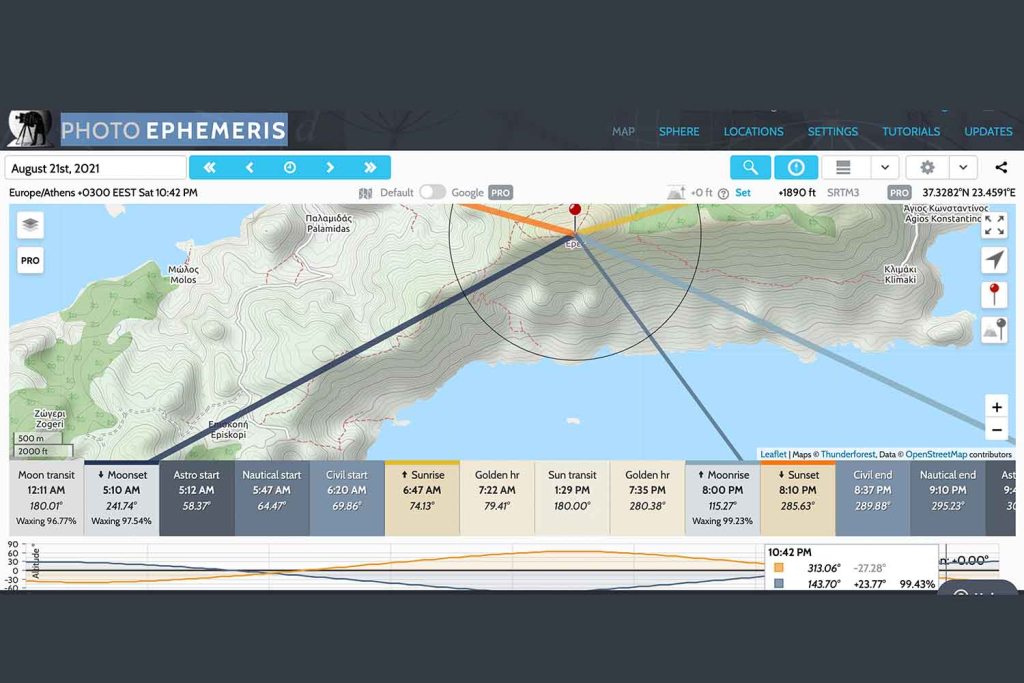
While en route, I used a mobile photography app, like Photo Ephemeris, to plan the trajectory of the moon rise for that night. Thus, I knew exactly where the moon would appear on the horizon – it would be on the back side of the island and out over the sea – which in this case meant that I’d only be able to see it by climbing up to the ridge line. I decided that Eros peak, the highest point on the island, was the best vantage point from which to watch the blue moon rise. And there’d be a photographic rocky and rugged precipice with 600 meter drop to the sea in the foreground.

Head to Eros peak for the best views on the island

Most visitors that come to the island are happy with swimming at the beaches on the northern shore and shopping and merrymaking in port – and they should be because it’s a beautiful, warm, and wonderful place to pass the time. But there’s more nature and adventure to quaint Hydra than first meets the eye. It just requires a little motivation to venture beyond the main town and onto the paths that lead to the mountains. I promise that you’ll be rewarded with incredible views that will leave you with lasting impressions.

Upon arrival to the island, I wanted nothing more than to drop my bag and head to the harbor with everyone for a great night of fine food and fun laughter. But my desire to see this blue moon was so strong that I slung the camera across my chest, waved goodbye to all, and started the climb to Eros peak (which by the way is just a continuation of the hike to the Profitis Ilias Monastery. You will see the monastery high on the hill, and almost anyone in town can point you in the right direction if you ask them how to get there).

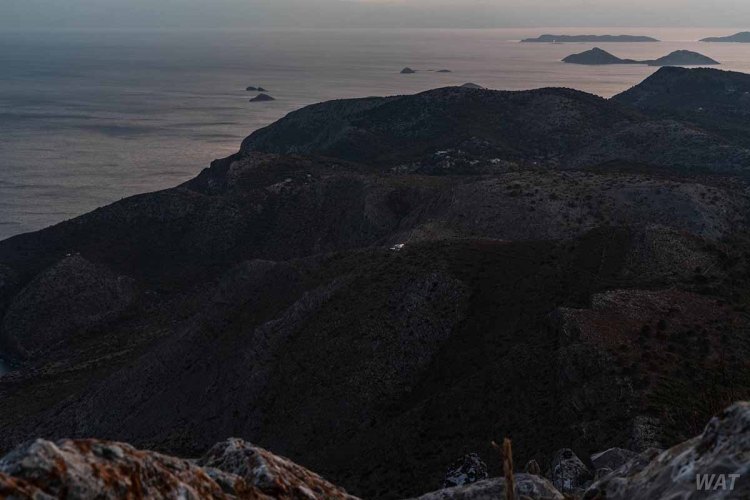
The rugged “back side” of the island that most people never see
Always expect for the unexpected
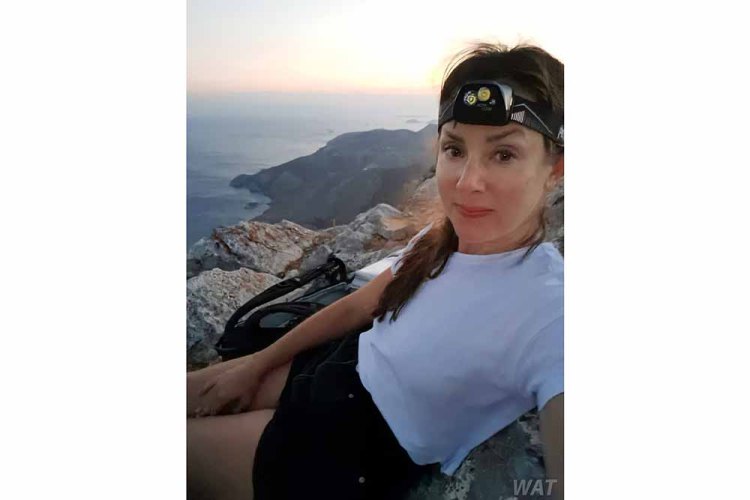
A spot with a view – half hour before sunset, waiting for the blue moon to rise

The sun was starting to set as I arrived at the top and the sky had a pleasing pink and blue glow before decisively dousing darker. It was peaceful and lovely, and I was the only person up there. I enjoyed the scenery and took a few long exposures when I heard the hard breathing and fast paced footsteps of a trail runner running up to the peak!

“Hello there” I said. It was a tourist out on an evening run whose lucky sort of curiosity had brought him to the best viewpoint on the island. He asked what I was doing up there and I told him that I was “waiting for the moon!” After some chatter, a salutation, and headlamp offering for his return run back to town (it’s extremely rocky and technical up there) he started on his way down he mountain and disappeared into the deep darkness – along with the sound of his footsteps fading away.

A perfect moment
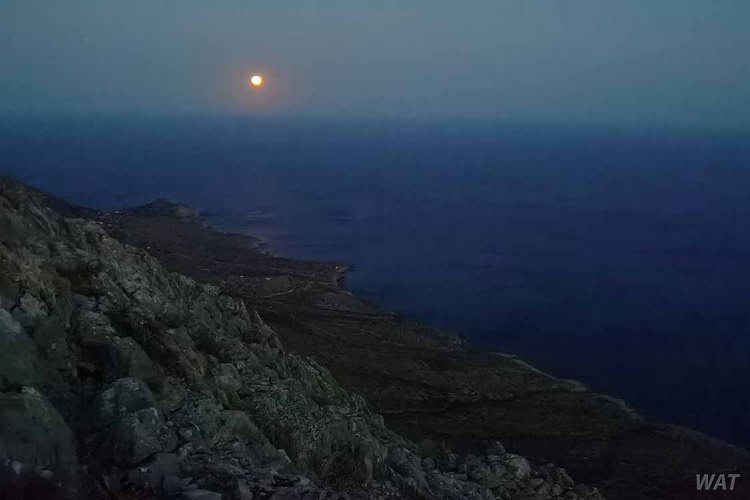
The blue moon appeared on the horizon in full bloom

I turned towards the direction of moon rise with anticipation … but still, there was nothing there yet. And then suddenly, as if someone had turned on a flashlight, it was there – a round and intact full blue moon ­– hanging there above the sea like a heavenly ornament hooked on space-time fabric; just there, like a big bowl of instant moon noodles.

In this moment, I thought to myself two things: that I was happy I wasn’t anywhere else but right there to see that blue moon rise, and, that, even if I didn’t know who that trail runner was, I wish this person had stayed to witness such a beautiful sight – the moment was truly perfect, but truly perfect moments are always best when shared.

The full blue moon as seen from the main town of Hydra

How to chase northern lights in Iceland

But when Aurora, daughter of the dawn, with rosey lustre purpled o’er the lawn.

— Homer

The northern lights have been written about since ancient times and demonstrates a phenomena that continues to capture the human imagination for millennia.

It’s wintertime and many of us have dreamed of seeing the northern lights for ages. While the northern lights happen year-round, it usually takes a northern location, dark and clear skies to see them. Luckily, you don’t necessarily need to travel beyond a country like Iceland for a chance to see them.

Here are a few critical things that you should know and some easy steps to take in advance in order to maximize your chances of seeing the aurora and make for an overall better experience when that time comes. One benefit of going to Iceland is that even if you don’t wind up not seeing the aurora, you will still well salvage your time with tons of gorgeous scenery and all of the charming towns and great culture.

Experiencing the northern lights is a dream

It was about this time last year that I was pretty far north in the Canadian Northwest Territories – the town of Inuvik to be exact. I had traveled there as an automotive journalist with the Mazda motor corporation on a fantastic press drive, called the Mazda CX Arctic Drive – celebrating the CX lineup of vehicles at the time. We had a free night at the end of the epic 8-day road trip, and therefore, there was a chance we would see the northern lights, and indeed they did appear. But I freakin’ missed the phone chain at 3 O’clock in the morning alerting us that the aurora was visible.

Yes, I could’ve kicked myself that morning upon realizing that I had missed it – and was almost too much to bear since it was a such deep seeded and longtime dream of mine to see them. Boarding the Air North flight that day out of the Arctic Circle that day, I allayed my frustration by quietly saying to myself … “This just means you need to come back one day and see them – whether that’s years or decades away, but you will.” Well little did I know at the time that seeing the northern lights was less than a year away.

Woohoo Iceland, here we come

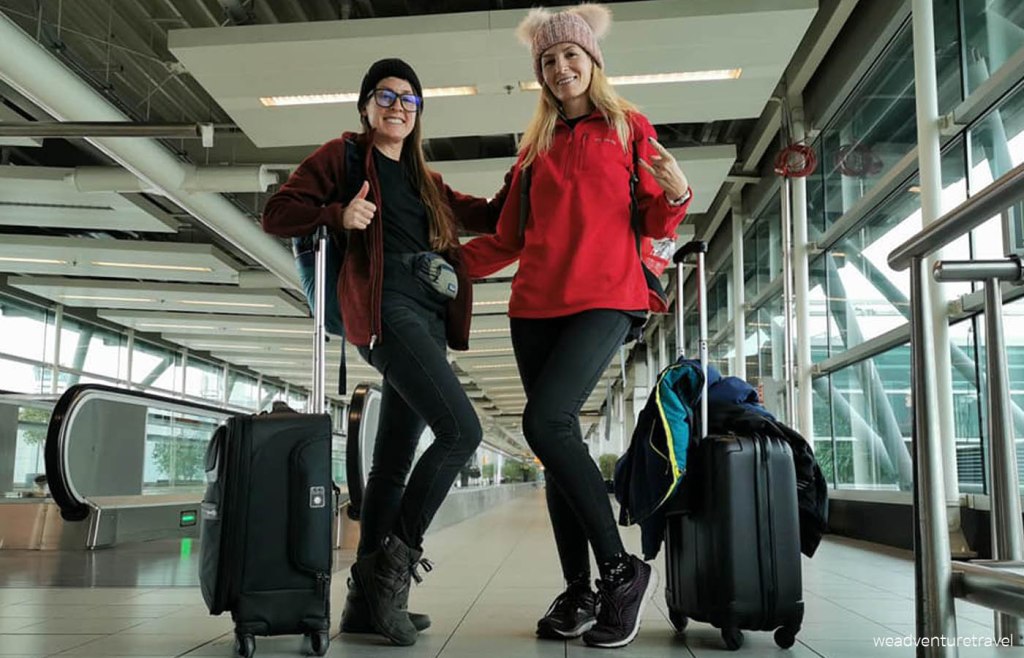
Fast forward to a few months ago when my friend asked me to take a trip for fun and suggested Rome or Amsterdam for the weekend (I’m based in Greece). Please don’t get me wrong as I’ll be the first to tell you these places are very nice, but I guess I had a wild hair up my ass that day (as with most days) because I blurted out “Iceland!” Going to Iceland wasn’t necessarily on her radar, nor was going in winter, but I thought it was a chance to see the northern lights and a great idea.

Be advised that there’s no way to know in advance what kind of weather you’ll have in Iceland the beginning of December – be it rainfall, icy roads or intense blizzards – all of which may limit your travel to an extent. But regardless, be it rain or snow, we became obsessed with the idea of seeing the northern lights and it quickly became the number one reason for going to Iceland in the winter. A part of me figured it was a long shot, but worth the effort anyway.

Download a forecasting app, like Aurora

Go to the app store or play store on your Apple or Android phone and download an aurora borealis forecast app. This is the first tool in your arsenal of hunting auroras. Auroras originate from the sun as solar wind and reaches the earth as a stream of charged particles 2 to 3 days after discharge. They form in concentric rings around both of the poles and radiate outwards in spectacular displays. In actuality, the auroras happen year-round, but it requires super dark and clear skies to witness them in full splendor.

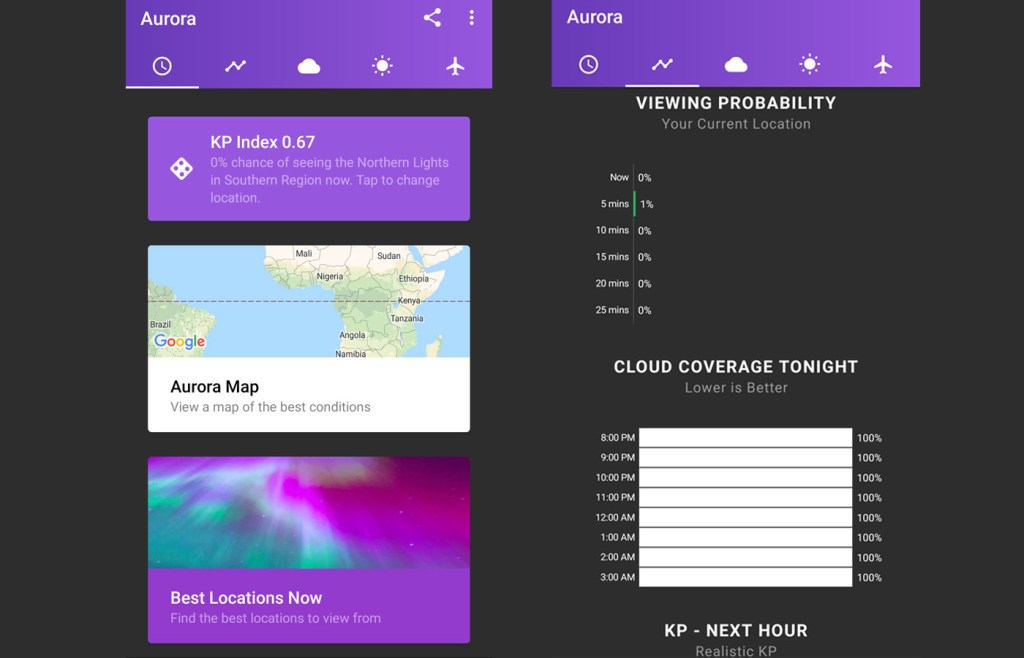
Studying an interactive aurora map for a week or two before your trip will allow you to become familiar with the behavior and pattern of the aurora. You will come to understand it better overtime and be able to have a good idea of the time and intensity that it will show up in your particular geographic location. A basic app such as “Aurora” is enough to do the trick and gives you a KP Index for the region – stated as a percentage. A low percentage indicates a less intense aurora or little likelihood when taking into consideration cloud coverage as well. Alternatively, a higher percentage (say 3% and above) is something to really start getting excited about.

Iceland sits at 66 degrees North

While Iceland isn’t exactly in the Arctic Circle, it sits at 66 degrees North which makes it an excellent option from whence to observe the northern lights. In addition, most of the country has little to no light pollution which ensures dark skies, and if the aurora is strong, a vivid display and dance of the phenomena.

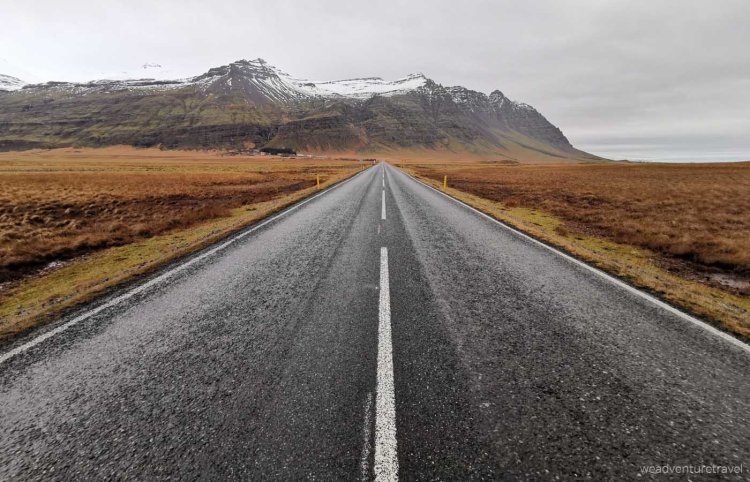
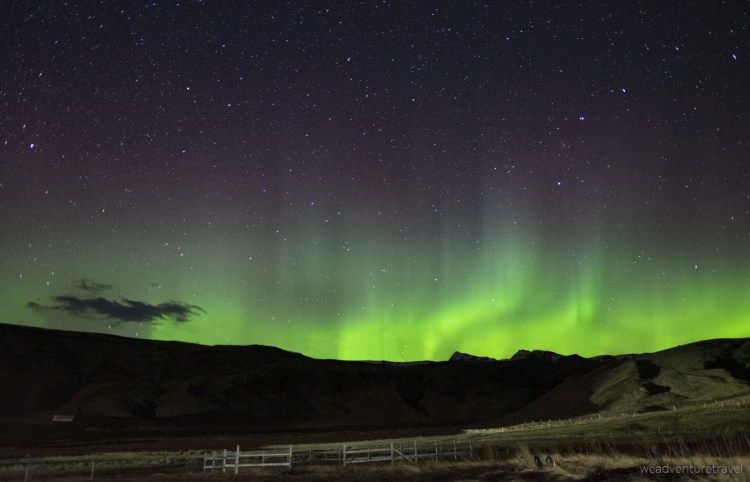
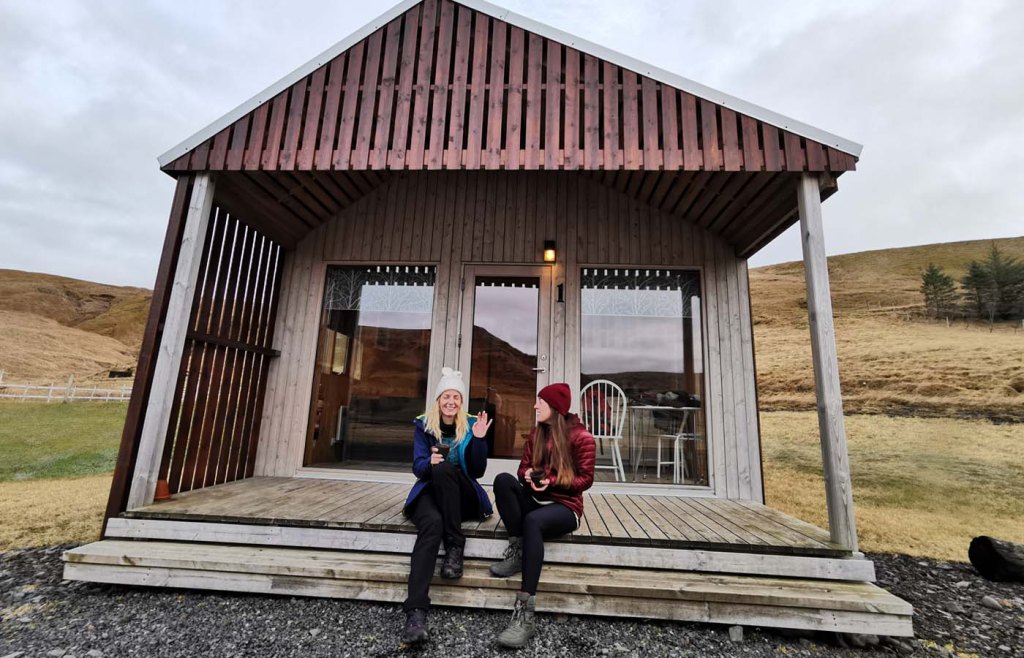
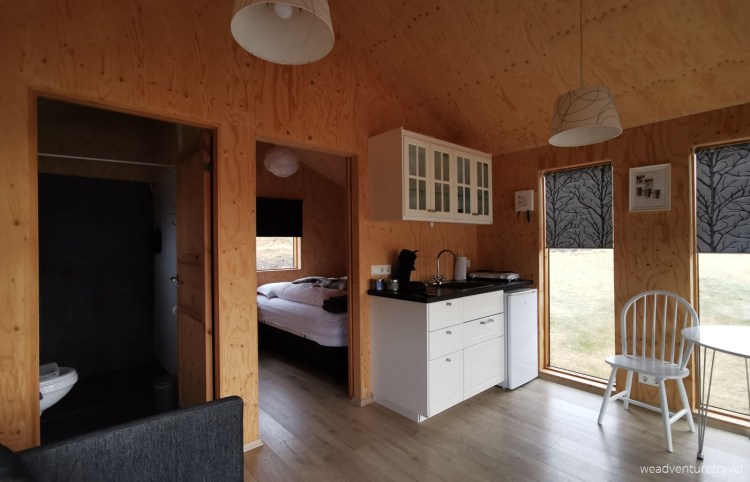
Once we arrived in Reykjavik, the word out on the street was that the best viewing opportunities for the auroras would be along the northwest coast and in the north. We got lucky with a window of good weather, meaning no snow, cold temperatures, but clear skies. Which allowed us to drive a rental car out of town and along the southern coast of the island. Let me just add here that I pretty much figured the south coast would be beautiful, but boy was it ever wow. We stopped for the night in the Vik Valley and stayed in the cozy and little Götur Cottage.

You will never forget your first aurora

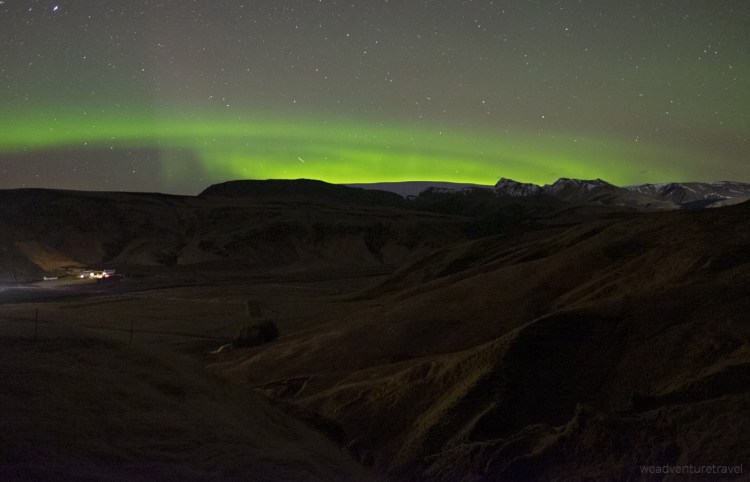
I will never ever forget my first encounter with the beautiful miss a. borealis. I was in the back room of the small cabin unpacking my affairs when I heard a joyful shout … “EEEEE! Oh my god, they are coming! I see them, I see them!” she squealed like a kid on Christmas morning. I mean seriously, I thought she’d seen Santa Clause dropping his drawers. I know I dropped my drawers – the ones I was unpacking and actually holding in my hand at the time – and made a mad dash for the door.

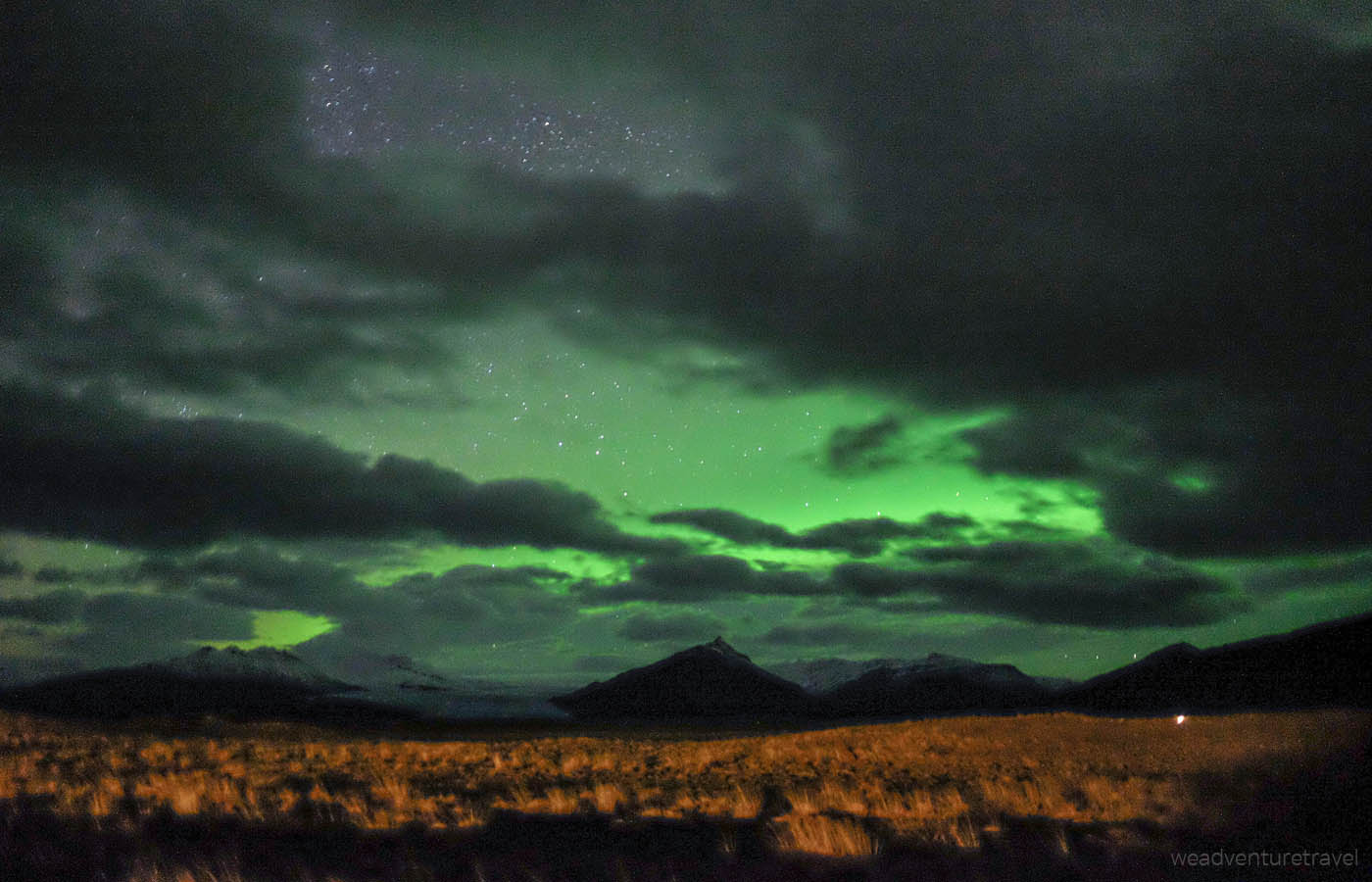
It’s important to understand in advance that images of the aurora all over the internet with bright neon greens, blues, and violets is very different to the reality of seeing the aurora with the naked eye. Sans camera, they appear as strange milky white shape-shifting clouds – although on occasion you can glean a subtle hue of color. It isn’t until you put your camera in manual mode and find the right settings, that stunning colors of the aurora will suddenly appear – along with some handy dandy post-processing software.

No hard and fast rules for shooting the aurora

When it comes to shooting the aurora borealis, there isn’t really a hard and fast rule for shooting other than having knowledge of manual camera settings. And a great place to start is with a high ISO, aperture at 2.8, 1.4 or the lowest it will go, and a shutter speed to something like 8-seconds. You’ll need to make adjustments on the fly and as you go, it’s all ballpark in aurora territory. Oh, and last but not least, use a tripod. The aurora had caught us by surprise on the first night, after I had already drunk a half bottle of red wine of course, and in my somewhat drunken stupor I tried handholding the camera the first few shots – which were tragically blurry of course. Fortunately, it didn’t take long for the bitter cold air to wizen me up with a cold slap in the face, and a, duh, grab the tripod silly.

You are unlikely to capture the glory of the northern lights without some sort of a manual camera. Case in point was the couple in the cabin adjacent to ours. While the auroras were happening and I was snapping away with glee and giddy and making merriment, the girl came to ask me in a disappointed way … “does it get better than this? Will we see any colors?”. I explained to her that viewing the aurora with your eye and through the camera are pretty much two entirely different experiences. At which point she lowered her head walked away somewhat downtrodden. Once again, these are important things to know when you go out chasing auroras. Chances are you’ll have invested a lot of time and money to see them, and you want to make every effort count.

Iceland has stunning settings for the aurora

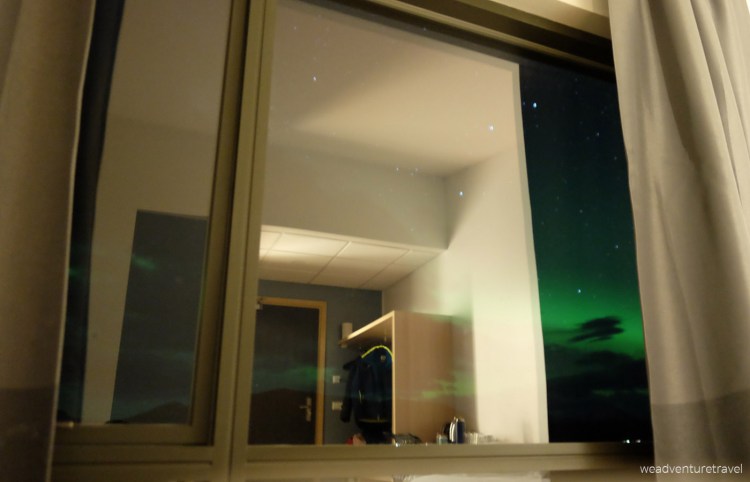
We continued east along the south coast of Iceland and stopped for the night at Lilja Guesthouse on the outskirts of the coastal town, Höfn. This place was not only adorable and cute, but it was clean, and I highly recommend staying there. And, here’s the kicker … the rooms have floor to ceiling windows with a beautiful view of surrounding mountains and Vatnajökull glacier. If the circumstances are right, you can watch the aurora while lying under the covers and in a warm bed. Those of us who have braved the countless hours of bitter cold and dark to catch the auroras will understand what a spectacular treat this is.

With the benefit of hindsight, and if I could do the trip again, I would recommend renting a 4×4 (to take on dirt roads to the base of the glacial tongues in the area) and a pair of stream waders to ford shallow streams and hike up to a spot on the mountain that overlooks the massive and impressive glacier formations. After deciding up on a composition, set your camera up earlier in the day and take multiple shots and exposures, and then again, later when the aurora is out. You’ll be able to stack the images to your liking later, in a program like Photoshop or Lightroom.